











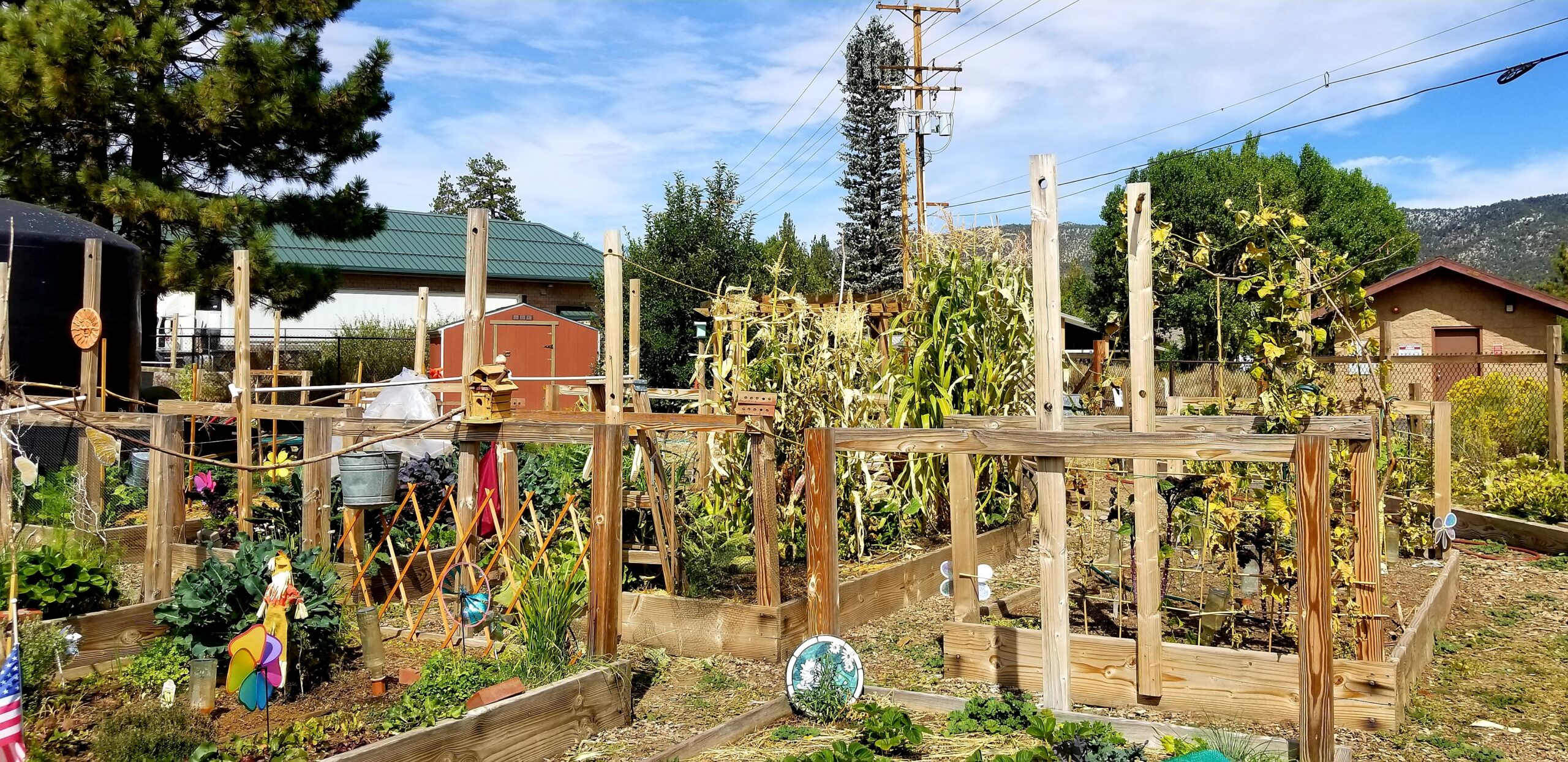
Permaculture gets a bad reputation in farming circles. To many practical farmers, it sounds like hippie mysticism—talk of “guilds” and “zones” and “observation” instead of actual farming. The aesthetics lean toward messy abundance rather than orderly rows. The language is full of jargon that alienates people who just want to grow food profitably.
But underneath the buzzwords and the counterculture aesthetics, permaculture contains genuinely useful principles that work on real land producing real yields. You just have to separate signal from noise.
The problem is that permaculture got popular through books, videos, and courses—not through farmers proving economics on working land. So it’s heavy on design theory and light on “here’s how this performs financially over 10 years on a commercial farm.”
Here’s what actually works from permaculture when you strip away the philosophy and focus on practical, profitable farming.
What Permaculture Actually Is (Stripped Down)
At its core, permaculture is about working with natural patterns to reduce inputs and increase yields over time. Not mystical—just observant.
The useful principles:
- Stack functions: Every element serves multiple purposes
- Cycle nutrients: Don’t export fertility, keep it on-site
- Build soil: Organic matter accumulates, don’t mine it
- Design water flow: Slow, spread, and sink water into landscapes
- Create edges: Edges are more productive than centers
- Succession: Plan for how systems mature over time
The fluff you can ignore:
- Overly complex “zone” planning (useful for homesteads, overkill for farms)
- Mystical language about “reading the land” (just observation and common sense)
- Anti-technology bias (use machinery where it makes sense)
- Dogmatic opposition to selling food (commerce is fine)
What permaculture is not:
- An excuse for messy, unmanaged land
- A substitute for hard work
- A guarantee of abundance without inputs
- Something that only works on small homesteads
Strip away the ideology and permaculture is just smart farming: observe patterns, minimize waste, build natural capital, design for low maintenance.
What Actually Works: Water Management
The principle: Slow, spread, and infiltrate water rather than letting it run off.
Why it matters: Water is often the limiting factor in agriculture. Capturing and holding water on-site increases productive growing days, reduces irrigation needs, and recharges groundwater.
What works:
Swales (contour berms):
- Ditches dug on contour (level) with a berm on the downhill side
- Capture rainfall runoff and allow it to infiltrate slowly
- Plant trees and perennials on berms
- Cost: $500-$3,000 per acre with equipment
- ROI: Reduced irrigation, increased forage/fruit production, erosion control
Works best: Sloped land (3-15%), anywhere with seasonal rainfall patterns or erosion issues.
Reality check: Swales require maintenance (vegetation management, occasional reshaping). They’re not “set and forget.” But ROI is positive if water management is a bottleneck.
Keyline design:
- Strategic subsoil plowing on contour to increase water infiltration
- No berm/ditch construction needed
- Directs water from valleys to ridges
- Cost: $100-$300/acre for initial plowing
- ROI: 20-40% yield increases from better water distribution in dry years
Works best: Cropland or pasture with rolling topography and uneven water distribution.
Reality check: Requires specific equipment (keyline plow or subsoiler). Needs to be repeated every 3-5 years. Still cheaper and more effective than irrigation in many contexts.
Ponds and water catchment:
- Strategic pond placement for irrigation, livestock water, fire protection
- Sizing based on rainfall catchment from surrounding land
- Cost: $2,000-$10,000 per pond depending on size
- ROI: Drought resilience, livestock support, potential aquaculture revenue
Works best: Properties with natural seepage areas or seasonal streams.
Reality check: Needs proper siting and engineering to hold water. Not every site works. But where it works, it’s transformative.
What Actually Works: Perennial Systems
The principle: Perennials require less annual labor, build soil over time, and provide yields for decades from one planting.
Why it matters: Annual crops require tilling, replanting, and high labor every year. Perennials are planted once and produce for 5-50+ years with lower maintenance.
What works:
Food forests (perennial polyculture):
- Overstory: Nut and fruit trees (chestnut, walnut, apple, pear)
- Midstory: Smaller fruit trees and shrubs (plum, hazelnut, elderberry)
- Understory: Perennial vegetables and herbs (asparagus, rhubarb, mint)
- Ground cover: Strawberries, clover, other spreading plants
Economics:
- Establishment cost: $3,000-$8,000/acre (plants, mulch, irrigation during establishment)
- Time to production: 3-7 years depending on species
- Mature production: $8,000-$25,000/acre/year for well-managed, market-oriented systems
- Compare to: Annual vegetables ($20,000-$50,000/acre/year) or commodity crops ($500-$1,500/acre/year)
Reality check:
- Takes years to reach production
- Harvest labor is distributed across the season (not one big push like annuals)
- Market development takes time (chestnuts and elderberries aren’t sold everywhere)
- Best for: Diversified farms, direct market, value-added products
Not a replacement for: High-value annual vegetables in good markets. But better economics than commodity crops with less annual labor.
Silvopasture (trees + livestock + forage):
- Wide-spaced trees (30-60 feet) with grass/forage between
- Livestock graze grass, get shade, add manure
- Trees produce timber, nuts, fruit, or fodder
- Total system productivity: 200-300% of pasture alone
Economics:
- Conversion cost: $500-$2,000/acre (trees, fencing if needed)
- Time to production: 5-15 years for tree products
- Livestock productivity: Improves immediately (shade = less heat stress = better weight gain)
- Tree revenue: $500-$2,000/acre/year at maturity
- Total: $1,500-$4,000/acre/year vs. $500-$1,000/acre for pasture alone
Reality check:
- Fencing and tree protection from livestock takes planning
- Tree species and spacing depend on livestock type and climate
- Not suitable for high-intensity rotational grazing (trees get damaged)
- Best for: Extensive grazing systems, diversified income, long-term wealth building
Perennial crops and strip cropping:
- Alternating strips of annuals and perennials
- Perennials provide: windbreak, pollinator habitat, beneficial insects
- Annuals provide: Primary revenue
- Example: 20-foot strips of hazelnuts alternating with 50-foot strips of vegetables
Economics:
- 15-20% of land in perennials = 10-15% reduction in annual crop area
- But: Reduced pest pressure (30-50% less spraying), increased pollination, wind protection
- Net: Slight reduction in gross revenue, but higher net due to reduced inputs
Reality check:
- Requires different equipment management
- Perennial strips need harvest equipment and markets
- Best for: Farms already using polyculture or integrated pest management
What Actually Works: Nutrient Cycling
The principle: Keep nutrients on-site through composting, cover crops, and integration of animals and plants.
Why it matters: Every ton of feed or hay shipped off the farm is nutrients exported. Every pound of synthetic fertilizer bought is a recurring cost. Cycling nutrients on-site reduces inputs.
What works:
Integrated crop-livestock:
- Livestock graze crop residues and cover crops
- Manure fertilizes soil
- Animals add revenue stream
- Nutrients cycle instead of being imported or exported
Economics:
- Livestock infrastructure: $2,000-$10,000 (fencing, water, shelters)
- Reduced fertilizer: $50-$150/acre/year
- Added livestock revenue: $100-$500/acre/year depending on stocking and species
- Net: Positive ROI within 2-4 years
Reality check:
- Requires livestock knowledge and management
- Not viable for all farms (labor, market access, personal interest)
- But for those willing, the economics are compelling
Compost systems:
- On-farm composting of crop residues, manure, off-farm organic inputs
- Builds soil organic matter
- Reduces fertilizer needs
Economics:
- Composting infrastructure: $5,000-$50,000 (depends on scale)
- Compost value: $50-$200/ton applied (replacing fertilizer)
- Labor: 20-100 hours/year depending on scale
- ROI: 1-3 years for systems replacing significant fertilizer
Reality check:
- Takes space and time
- Requires knowledge of C:N ratios and proper composting
- Worth it for: Vegetable farms, farms with access to cheap organic inputs (food waste, brewery grains, etc.)
Cover crops and green manures:
- Plant nitrogen-fixing legumes between cash crops
- Biomass feeds soil, fixes nitrogen, suppresses weeds
Economics:
- Seed cost: $20-$60/acre
- Nitrogen value: $50-$150/acre
- Weed suppression: $20-$50/acre saved herbicide
- Net benefit: $50-$140/acre
Reality check:
- Requires termination management
- Can interfere with cash crop timing if not planned well
- But ROI is immediate and proven across all farm types
What Actually Works: Edge Effects and Zones
The principle: Edges between different systems (forest/field, water/land, crop/crop) are more biologically productive than interiors.
Why it matters: Edges host more species diversity, more insect activity, more nutrient flow. Designing for edges increases total system productivity.
What works:
Hedgerows and windbreaks:
- Plantings of shrubs/trees between or around fields
- Reduce wind erosion and evapotranspiration
- Provide habitat for beneficial insects and pollinators
- Can produce secondary yields (berries, nuts, firewood)
Economics:
- Installation: $1,000-$5,000/1,000 linear feet
- Maintenance: Minimal after establishment
- Crop yield increases: 10-25% in adjacent fields from wind protection
- Pest reduction: 30-50% from beneficial insect habitat
Reality check:
- Takes 3-5 years to establish
- Takes land out of production (usually field edges already underperforming)
- ROI: 3-6 years, then compounding benefits
Multistory production:
- Stack plants of different heights in same space
- Tall trees, medium shrubs, low vegetables, ground covers
- Each layer captures sun, producing multiple yields per area
Economics:
- Same land produces 2-5x the diversity of products
- Labor is more distributed (not all harvested at once)
- Total revenue potential: Higher than monoculture if markets exist
Reality check:
- Requires more management knowledge
- Harvest logistics more complex
- Best for: Direct market farms, diversified operations
What Doesn’t Work (Or Doesn’t Scale)
Be honest about what permaculture practices are homestead-scale but not farm-scale:
Doesn’t scale:
- Hugely diverse plantings (50+ species) on commercial farms
- Hand-harvesting everything (labor costs kill economics)
- Rocket stoves and humanure (fine for homesteads, irrelevant for farms)
- Elaborate guild plantings without regard to harvest logistics
Works at homestead scale, not commercial:
- Intensively managed polycultures requiring hand-harvest
- Animals in very small, rotated pens (works for chickens, not cattle at scale)
- Labor-intensive mulching of large areas
The test: If it doesn’t pencil out economically with realistic labor costs, it’s a homestead practice, not a farm practice.
The Integration Strategy

Permaculture principles work best when integrated thoughtfully, not adopted wholesale.
For existing farms:
- Start with water: Improve water management first (biggest ROI, fastest results)
- Add diversity gradually: 10-20% of land in perennials/polyculture, prove economics, expand
- Integrate livestock if viable: Even small-scale grazing of cover crops adds value
- Build soil systematically: Cover crops and compost pay off quickly
- Design for edges: Add hedgerows and windbreaks opportunistically
Don’t:
- Rip out productive systems to install experimental food forests
- Adopt practices without understanding economics
- Prioritize aesthetics over profitability
- Assume “natural” means “no work”
The mindset: Permaculture is a toolkit, not a religion. Use what works, ignore what doesn’t, measure results.
The Bottom Line
Permaculture without buzzwords is just smart, observant farming:
- Manage water to reduce irrigation and erosion
- Use perennials where they make economic sense
- Cycle nutrients to reduce input costs
- Design for edges to increase biodiversity and productivity
- Build soil as a long-term asset
None of this is mystical. It’s applied ecology that happens to improve farm economics when done right.
Ignore the dogma. Test practices on your land. Measure results. Keep what works, discard what doesn’t.
Permaculture is useful—once you strip away the ideology and focus on what actually produces profitable outcomes on real farms.